TOYOTA 19315-50020 Plate Crank Angle Sensor NO.1
fits model: Gx470, 4runner. make: Lexus, Toyota.
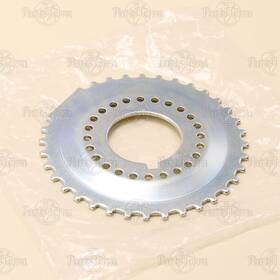
( Brand: Toyota ), ( Manufacturer Part Number: 19315-50020 ), ( Material: Metal ), ( Country Of Origin: Japan ), ( Performance Part: No ), ( Finish: Unfinished ), ( California Prop 65 Warning: California Prop 65 Warning ), ( Fitment Type: Direct Replacement ), ( Type: Plate Crank Angle Sensor ), ( Please Note: Does Not Include Original Label )
Review TOYOTA Genuine Oem Lexus Plate Crank Angle Sensor No.1 fits 4RUNNER GX470
The **Toyota 19315-50020 Crank Angle Sensor (No.1)** is a precision-engineered, high-performance sensor designed exclusively for the **Toyota 4Runner (4th generation, 1996-2002)** and **Lexus GX470 (1999-2005)**, ensuring optimal engine performance, fuel efficiency, and reliability. This sensor plays a critical role in the vehicle s electronic engine management system by monitoring the rotational position and speed of the crankshaft in real time, providing essential data to the Engine Control Module (ECM) for accurate ignition timing, fuel injection, and overall engine synchronization. Crafted from durable, corrosion-resistant materials, the sensor features a robust, sealed housing that protects its internal components from environmental contaminants, moisture, and debris, guaranteeing long-term durability even in demanding off-road or rugged driving conditions. The sensor s high-precision magnetic pickup coil generates a stable and consistent signal, minimizing the risk of misfires, rough idling, or engine stalling common issues that arise from faulty or degraded crankshaft sensors. Ideal for both original equipment replacement (OEM) and aftermarket upgrades, this sensor is a direct-fit, plug-and-play solution that maintains the factory-level performance and reliability expected from Toyota and Lexus. Whether used in a restored classic or a heavily driven daily driver, the **19315-50020** ensures seamless integration with the vehicle s engine control system, helping to preserve engine health and extend the lifespan of critical components. For enthusiasts and mechanics alike, this sensor represents a dependable choice for maintaining peak engine performance in one of Toyota s most iconic and capable SUVs.
**Pros and Cons of Buying a Used Toyota 19315-50020 (4Runner/Lexus GX470) Plate Crank Angle Sensor (No. 1)**
### **Pros**
1. **Compatibility and Fit** This part is a direct replacement for the crank angle sensor used in Toyota 4Runner (2003 2013) and Lexus GX470 (2005 2013) models. It ensures proper engine recognition and ignition timing, preventing misfires or no-start conditions.
2. **Reliability of Toyota/Lexus Parts** Toyota and Lexus are known for durable components, and aftermarket sensors from reputable brands (such as Denso, Bosch, or OE-quality parts) often match or exceed factory standards in longevity.
3. **Easy Installation** The sensor is a straightforward bolt-on replacement, typically requiring only basic tools (socket wrench, torque wrench, and possibly a scan tool to clear codes). No major modifications to the engine bay are needed.
4. **Prevents Engine Damage** A failing crank angle sensor can lead to catastrophic engine failure (e.g., bent valves, rod damage) if the engine runs without proper timing. Replacing it early avoids costly repairs.
5. **Cost-Effective Compared to Engine Rebuild** A new sensor costs significantly less than repairing or replacing an engine damaged by a failed sensor.
6. **Warranty Options** Some aftermarket sensors come with warranties (e.g., 1 2 years), providing peace of mind against premature failure.
7. **Improved Performance and Diagnostics** A functioning sensor ensures accurate engine diagnostics (OBD-II codes) and optimal fuel injection/ignition performance, which can improve drivability and fuel efficiency.
---
### **Cons**
1. **Potential Counterfeit Parts** Buying from untrusted sellers (e.g., eBay, Craigslist, or unknown online marketplaces) risks receiving a fake or low-quality sensor. This can lead to early failure and repeated replacements.
2. **Mismatched Specifications** Some aftermarket sensors may not perfectly match the original equipment (OE) sensor s magnetic or electrical properties, leading to intermittent issues (e.g., false misfire codes, rough idle).
3. **Compatibility Confusion** While this part number is widely compatible, slight variations exist between 4Runner generations (e.g., pre- and post-2009 models may have minor wiring or mounting differences). Double-checking the exact application is critical.
4. **Installation Challenges** In some vehicles, the sensor is located in a tight or dirty area (e.g., near the oil pan or transmission). Cleaning the mounting surface and ensuring proper torque (typically 15 20 ft-lbs) is essential to avoid leaks or loose connections.
5. **Code Persistence** Even after replacement, some OBD-II scanners may retain old error codes until the engine is driven for a few minutes to reset the system. This can cause temporary confusion during diagnostics.
6. **Limited Lifespan** While sensors are durable, they are not indestructible. Extreme conditions (e.g., oil contamination, high heat, or electrical interference) can shorten their lifespan. Replacement intervals vary but are generally every 80,000 120,000 miles under normal use.
7. **Professional Installation Costs** If the buyer lacks mechanical experience, labor costs for installation (if outsourced) may offset the part s savings.
---
### **Conclusion**
The **Toyota 19315-50020 crank angle sensor** is a critical and cost-effective replacement part for 4Runner and Lexus GX470 owners facing electrical or starting issues. Its benefits direct compatibility, reliability, ease of installation, and prevention of engine damage far outweigh the risks when sourced from a trusted supplier. However, the potential for counterfeit parts and minor installation challenges underscore the importance of verifying the part s authenticity and ensuring proper fitment.
**For most DIYers or those with basic mechanical skills, this is a straightforward and worthwhile upgrade.** If uncertainty exists about the part s quality or the buyer s ability to install it correctly, consulting a professional mechanic or purchasing from a reputable dealer (e.g., RockAuto, Amazon, or a local Toyota/Lexus parts store) is advisable.
---
### **Recommendation**
1. **Source from a Trusted Supplier** Purchase from authorized dealers, reputable online retailers (e.g., RockAuto, Amazon, or eBay with verified sellers), or a local Toyota/Lexus parts store to avoid counterfeit parts.
2. **Verify Compatibility** Confirm the part number matches your exact vehicle year and engine configuration (e.g., 4.0L V6 for 4Runner, 4.3L V8 for GX470).
3. **Prepare for Installation** Clean the sensor housing, use a torque wrench to tighten the mounting bolt to specification, and reset the OBD-II codes after installation.
4. **Monitor Performance** Drive the vehicle for at least 10 15 minutes to ensure the sensor is recognized and codes clear. Listen for unusual noises or check for warning lights.
5. **Consider Professional Help if Needed** If the buyer is unsure about electrical work or sensor replacement, a mechanic can ensure proper installation and troubleshoot any lingering issues.
**Final Verdict:** This is a **highly recommended replacement part** for the specified vehicles, provided it is sourced correctly and installed properly. The long-term benefits of preventing engine damage and restoring reliable operation justify the purchase.
Details:
The product has not been used, installed, disassembled, or tested. It will not fit. GENUINE TOYOTA LEXUS PLATE CRANK ANGLE SENSOR NO.1. 19315-50020 Plate is bulk shipped from Toyota in 10-piece packaging.
Original manufacturer labels remaining is undamaged. TOYOTA PART # / QTY: The part is in the original packaging.
part #: 1931550020 prices
- $12.00-$53.88
specifications cranshafengin:
- for models: Gx470, 4runner
- for makes: Lexus, Toyota
- brand: Toyota
- mpn: 19315-50020
- material: Metal
- country of origin: Japan
- performance part: No
- finish: Unfinished
- california prop 65 warning: California Prop 65 Warning
- fitment type: Direct Replacement
- type: Plate Crank Angle Sensor
- please note: Does Not Include Original Label
shipping cranshafengin:
- transit: 2-6 Days
- type: Fixed
- cost: $0.00
- service: USPS Ground Advantage, USPS Priority Mail
- class: Standard, Expedited
- carrier: USPS
returns cranshafengin:
- paid by: Seller
- policy: Returns Accepted
- time: 30 Days
general cranshafengin:
- condition: New
- Car Truck Parts Accessories > Engines Engine Parts > Crankshafts
seller cranshafengin:
- rating: 99.9%
- city: Menlo Park, California
- # reviews: 22771
payments cranshafengin:
- other
- wallet: Paypal
- credit card: Mastercard
offer cranshafengin:
- options: Ship-to-home
- started: March 11, 2026
- sold: 0
- availability: In Stock
- quantity: 2
- best offers: True
Toyota 19315-50020 Is Similar To:
- 11322-31021 1132231021 Toyota Lexus Engine Timing Gear Cover (30% similar) May be a little dusty from storage use and have few minor scratches. 5l 2GRFE GSV40, GSV50 Toyota highlander grandee, limited, medium, sport, std 6 Cl 5l 2GRFE GGL10, GGL15 this part is in good working condition. 5l 2GRFE GGL10, GGL15, GSU30, GSU35 RX450H std 6 Cl please review all the pictures and ...(October 2nd, 2018)
- 11704-40020 Toyota Genuine Nos New (29.8% similar) This is a genuine Toyota factory crank shaft Bering set. This is an unused, nos, part that was on a mechanics shelf...(October 3rd, 2017)
- 12837298 Aftermarket Products New Crankshaft Position Sensor For Toyota Camry Celica (28% similar) The items are brand new parts that look and fit same as original, except at a much better price...(April 25th, 2018)
- 1340128010 Toyota Oem-engine Crankshaft Crank (32% similar) Superseded part numbers this item may have been from a different number manufacture...(March 14th, 2017)
- 13407-88381 Toyota Crankshaft Pulley Crank (32.8% similar) Prices vary depending on item and destination. Made in japan Toyota MR2 3S-GTE crankshaft pulley 3SGTE crank 93 pulley, genuine oem used great conditions. Sale is for pulley and bolt...(August 9th, 2018)
- 13407-88480 Toyota Crankshaft Pulley Crank Celica Caldina (35% similar) Toyota 3S-GTE crankshaft pulley crank 3SGTE Celia ST205 Caledonia ST215 gt-four pulley, genuine oem used in good conditions. Made in japan Toyota part number: prices vary depending on item and destination. Also good for ST215 Toyota Caledonia gt-t 3S-GTE same part number. Wont affect pulley in any ...(November 4th, 2018)
- 1340721032 Toyota Oem Harmonic Balancer (31.9% similar) Warranting warranty...(February 7th, 2019)
- 1340721070 Toyota Oem Prius Harmonic Balancer (33.6% similar) Warranting warranty...(October 15th, 2018)
- 1340750020 Toyota Lexus Oem Harmonic Balancer (30.4% similar) Est, Mon to Fri. All airbag modules are also non returnable...(February 27th, 2018)
- 13408-0a010 134080a010 13408-0a010 Toyota 99-03 Lexus (24.1% similar) This item has some surface rust but in very good shape...(January 20th, 2018)
- 13408-73010 Toyota Genuine Pulley Crankshaft (40.3% similar) 2l 3YEC, 4YEC YR21, YR22, YR27, YR29, YR31, YR32. 4 Cl genuine Toyota part number. Never before used. Pulley harmonic balance. I bought this for my own purposes Toyota van 4WD but realized that don't need to install it after all...(February 4th, 2018)