BUICK 309-00396 Harmonic Balancer 6-231 3.8L
fits model: Century. make: Buick. year: 1984–1985.
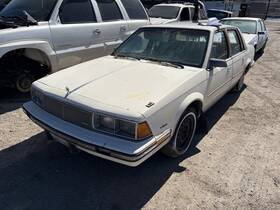
( Part Type: Balancer ), ( Conditions Options: Tan, 4dr, Fwd, Ac ), ( Genuine Oem: Yes ), ( Ipn: 309-00396 )
Review BUICK Harmonic Balancer 3.8l fits CENTURY 1984–1985
The **Buick 309-00396 Harmonic Balancer** is a precision-engineered component designed specifically for the **3.8L V6 (6-231) engine** found in the **1984-1985 Buick Century**, ensuring smooth and reliable operation of the crankshaft assembly. This high-quality harmonic balancer is engineered to absorb and dampen the natural vibrations generated by the engine s rotating components, reducing noise, wear, and potential damage to the drivetrain. Crafted from durable materials, including a reinforced rubber or elastomeric insert and a robust steel housing, this balancer is built to withstand the demanding conditions of high-performance driving while maintaining optimal balance and longevity. Its precise fitment ensures seamless integration with the **6-231 crankshaft pulley**, providing a secure and stable connection that minimizes crankshaft movement and torsional stress. Whether you're restoring a classic Century or maintaining a well-loved classic, this OEM-quality harmonic balancer delivers the performance and reliability expected from Buick s legendary engineering. Proper installation, using the correct bolts and torque specifications, is essential to ensure optimal function and prevent premature failure.
**Pros and Cons of Buying a Buick 309-00396 Harmonic Balancer (6-231 3.8L, 84-85 Century)**
### **Pros**
1. **Compatibility and Fitment** This harmonic balancer is designed specifically for the 3.8L V6 engine found in 1984-1985 Buick Centurys (and other models like the LeSabre, Regal, and Park Avenue). It is a direct replacement, ensuring an exact fit without modifications.
2. **Reliability for the Engine** The harmonic balancer plays a critical role in dampening engine vibrations, reducing stress on the crankshaft and drivetrain. A properly functioning balancer helps prevent excessive wear on related components like the flywheel, transmission, and mounts.
3. **Prevents Premature Failure** Older 3.8L engines are prone to harmonic balancer failure due to wear, cracks, or rubber deterioration. Replacing it proactively can avoid costly engine damage, such as cracked crankshafts or transmission issues caused by excessive vibration.
4. **Easier Installation** This part is relatively straightforward to install, especially for someone with basic mechanical experience. It typically requires removing the flywheel housing cover, disconnecting the starter, and replacing the old balancer with the new one.
5. **Cost-Effective Maintenance** Compared to major engine repairs, a harmonic balancer is inexpensive. Replacing it early can save thousands in potential engine or transmission damage down the line.
6. **Improved Drivability** A failing harmonic balancer can cause noticeable vibrations, especially at idle or higher RPMs. Replacing it can restore smooth operation and reduce annoying rattles.
---
### **Cons**
1. **Age and Wear of Related Components** If the engine or transmission has been neglected, replacing just the harmonic balancer may not address underlying issues. A thorough inspection of the flywheel, mounts, and drivetrain is recommended.
2. **Potential for Counterfeit Parts** Some aftermarket harmonic balancers may be of lower quality or counterfeit. Ensuring you purchase from a reputable supplier (e.g., OEM, Genuine Mopar, or a trusted third-party seller) is crucial to avoid premature failure.
3. **Labor Time and Skill Level** While the replacement is manageable for DIYers, it requires some mechanical skill. Mistakes during installation (e.g., improper alignment or torque) can lead to further problems.
4. **Limited Longevity of the Part** Even a high-quality harmonic balancer may not last indefinitely, especially in high-mileage or heavily modified engines. Expect it to last 50,000 100,000 miles with proper maintenance, but wear can still occur over time.
5. **Accessibility Challenges** In some vehicles, accessing the harmonic balancer requires removing the flywheel housing, starter, or other components, which can be time-consuming for inexperienced mechanics.
6. **Potential for Hidden Damage** If the engine has been previously damaged by a failing balancer (e.g., cracked crankshaft or bent rods), the issue may persist even after replacement. A pre-purchase inspection is advisable.
---
### **Conclusion**
Replacing the harmonic balancer in a 1984-1985 Buick Century with a 3.8L engine is a **highly recommended maintenance task** for preventing catastrophic engine failure. The benefits such as improved drivability, reduced vibration, and avoidance of costly repairs far outweigh the minor drawbacks, provided the part is genuine and installed correctly.
If you are considering this repair, prioritize:- Purchasing an **OEM or high-quality aftermarket part** (e.g., Mopar, Carter, or a trusted brand).
- **Inspecting the flywheel, mounts, and drivetrain** for wear or damage before installation.
- **Following proper torque specifications** to avoid misalignment or damage.
- **Considering professional installation** if you lack mechanical experience.
For most owners, this is a **worthwhile investment** in the long-term health of their vehicle, especially if the engine has high mileage or shows signs of vibration issues.
**Final Recommendation:**Buy and install the **Buick 309-00396 harmonic balancer** if you suspect or confirm it is failing. Pair this with a **flywheel inspection** and **transmission check** to ensure a complete solution. If unsure about DIY installation, consult a mechanic to verify the part s condition and proper fitment.
Details:
NINETY EIGHT 85 6-231 3.8L. No expedited shipping is available. PARK AVENUE 85 6-231 3.8L. CENTURY 84-85 6-231 3.8L.
Availability. ELECTRA 85 6-231 3.8L.
part #: 309-00396 prices
- $31.96-$96.11
specifications cranshafengin:
- for models: Century
- for makes: Buick
- for years: 1984-1985
- part type: Balancer
- conditions options: Tan, 4dr, Fwd, Ac
- genuine oem: Yes
- ipn: 309-00396
general cranshafengin:
- Car Truck Parts Accessories > Engines Engine Parts > Crankshafts
- condition: Used
offer cranshafengin:
- options: Ship-to-home
- sold: 0
- started: March 10, 2026
- availability: In Stock
- quantity: 1
returns cranshafengin:
- time: 30 Days
- paid by: Buyer
- policy: Returns Accepted
seller cranshafengin:
- rating: 99.2%
- # reviews: 5830
- city: East Wenatchee, Washington
shipping cranshafengin:
- carrier: UPS
- class: Standard
- service: UPS Ground
- cost: $32.80
- transit: 3-8 Days
- type: Calculated
payments cranshafengin:
- other
- wallet: Google-pay
- credit card: Mastercard
Buick 6-231 Is Similar To:
- 11570965 Gm Buick Chevrolet Pontiac Saturn Oldsmobile Genuine Balancer Bolt (31.5% similar) Shipping carrier substitutions may be made at our determination in an attempt to reduce cost the customer. Parts must be resalable and in the original packaging...(March 12th, 2019)
- 11589123 Gm Buick Chevrolet Gmc Pontiac Saturn Oldsmobile Genuine Balancer Bolt (32% similar) Part: 11589123 prices...(February 16th, 2019)
- 120-2501 Arp Harmonic Balancer Bolt Chromoly Black Oxide Buick 672036000936 (43.8% similar) Thread size in. Buyer pays return shipping. Fitment information may not be available for all products and those without will have a compatibility link. Fastener finish black oxide material 8740 chorally yield strength psi 200,000 head 12-POINT quantity sold individually...(August 26th, 2018)
- 120-2502 Arp Buick Balancer Bolt Kit Square Drive 672036000943 (39.1% similar) APR buick balancer bolt kit square drive v6 V8...(March 15th, 2018)
- 12595291 Buick Harmonic Balancer-crankshaft Pulley (43% similar) It will have very minor imperfections but be in better condition than 90 of vehicles on the road. It may have minor scratches and clear coat peeling. Slides are not covered under warranty column switch: includes wiring if applicable up to the first point it can be unplugged control arm: ball joint ...(December 10th, 2017)
- 594-001 Dorman Engine Harmonic Balancer Buick Oldsmobile Pontiac (41.5% similar) 50YOU save: 18...(October 15th, 2018)
- 594-161 Dorman Engine Harmonic Balancer For Buick Park Avenue Oldsmobile (40.6% similar) Shipping costs are based on the method that you choose. This e-mail is constantly monitored so you can be sure your questions will answered promptly and courteously. Electronic items are not returnable...(March 7th, 2019)
- 77-93 Pb1200 New Aftermarket Oe Replacement Part 5.0l 5.7l Pontiac Buick Cadillac Oldsmobile Chevy Gmc Harmonic Balancer 102069 458653 309-172 12551948 594-009 (28.7% similar) Part #: 12551948 prices...(July 2nd, 2016)
- Da-3505 Pioneer Harmonic Balancer Internal Balance Diameter Iron Buick Gm (34.7% similar) Buyer pays return shipping. Degree markings yes engine balance internal harmonic balancer construction elastic finish black painted material nodular iron mounting hardware included no notes 5 poly veer design. Safety rating not Sufi-approved this product ships directly from the manufacturer. Fitment...(December 7th, 2018)
- Hb-560 Ssp Buick Oldsmobile Pontiac Super Charged Harmonic Balancer (34.8% similar) Manufactured to exacting standards. Quality inspected for your satisfaction...(October 23rd, 2018)
- Pb1377n Dayco Engine Harmonic Balancer For Buick Park Avenue Oldsmobile (38% similar) 1NOSE outside diameter: 49. This e-mail is constantly monitored so you can be sure your questions will answered promptly and courteously. 79CRANK bore: 34. 5PULLEY 2 number of grooves: 6PULLEY outside diameter: 176. Shipping costs are based on the method that you choose. Electronic items are not ...(December 13th, 2018)