CUMMINS 3966164 Crankcase Breather
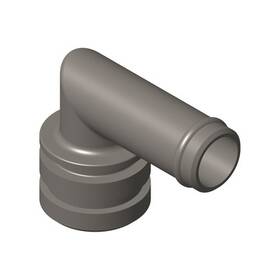
( Brand: Cummins ), ( Manufacturer Part Number: 3966164 ), ( Part Type: Breather )
Review CUMMINS Crankcase Breather
The **Cummins 3966164 Crankcase Breather** is a precision-engineered component designed to maintain optimal engine performance and longevity in Cummins diesel power systems, particularly those found in heavy-duty commercial vehicles, marine applications, and industrial equipment. This high-quality breather serves as a critical part of the engine s ventilation system, ensuring that harmful crankcase gases such as moisture, combustion byproducts, and contaminants are efficiently expelled from the engine block while preventing the ingress of external debris. Crafted from durable materials, including robust plastic and reinforced filtration media, the 3966164 breather is engineered to withstand the harsh conditions of continuous operation, offering reliable protection against oil leaks, pressure buildup, and potential engine damage. Its design incorporates a sealed yet breathable mechanism that allows for proper crankcase pressure regulation, reducing the risk of oil foaming and ensuring smoother engine operation. Whether installed in a fleet vehicle, a stationary power generator, or a marine engine, this breather plays a vital role in preserving engine health by filtering out particulates and maintaining a clean, pressurized environment within the crankcase. With its OEM-level quality and compatibility with Cummins engines, this component is an essential part of preventive maintenance, helping to extend the life of the engine and reduce the likelihood of costly repairs.
### Pros and Cons of Buying a Cummins 3966164 Crankcase Breather
The **Cummins 3966164 crankcase breather** is a critical component for maintaining engine health in Cummins diesel engines, particularly those used in heavy-duty applications like trucks, buses, and industrial equipment. Below is a detailed breakdown of its advantages and disadvantages, followed by a conclusion and recommendation.
---
### **Pros of Purchasing a Cummins 3966164 Crankcase Breather**
1. **Prevents Engine Contamination**
The crankcase breather regulates airflow within the engine s crankcase, preventing the buildup of harmful gases, moisture, and contaminants. Without a functioning breather, these substances can enter the engine oil, leading to sludge formation, accelerated wear, and reduced engine life.
2. **Extends Engine Lifespan**
By maintaining proper crankcase pressure and preventing oil degradation, the breather helps reduce internal engine damage. This is particularly important for high-hour applications where engines operate under heavy loads for extended periods.
3. **Improves Fuel Efficiency**
A clogged or failing breather can disrupt engine performance, leading to inefficient combustion and increased fuel consumption. A new or properly functioning breather ensures optimal airflow, which can help maintain fuel efficiency.
4. **Reduces Emissions**
Modern engines, including Cummins models, are designed to meet strict emissions regulations. A faulty breather can allow unburned fuel and contaminants to escape into the exhaust system, potentially triggering diagnostic trouble codes (DTCs) and increasing emissions. A reliable breather helps keep emissions within compliance.
5. **Easy to Install and Replace**
The **3966164** is a relatively straightforward component to replace, especially if you have basic mechanical skills or access to a mechanic. It typically requires minimal tools and can be swapped out in a short amount of time, reducing downtime.
6. **Cost-Effective Maintenance**
Compared to the potential cost of repairing engine damage caused by a failing breather (e.g., piston ring wear, valve train issues, or oil pump failure), replacing the breather is a relatively inexpensive preventive measure. Prices for OEM or high-quality aftermarket breathers are reasonable, especially when purchased in bulk or from reputable suppliers.
7. **OEM Quality and Reliability**
The **3966164** is an original Cummins part, meaning it is designed to meet the exact specifications of the engine. While aftermarket options exist, OEM parts often provide better long-term reliability and compatibility, reducing the risk of premature failure.
8. **Part of Routine Maintenance**
The crankcase breather is a standard component in Cummins recommended maintenance schedules. Replacing it as part of regular service intervals (typically every 50,000 100,000 miles or as specified in the service manual) helps prevent unexpected failures and ensures the engine remains in optimal condition.
9. **Available from Multiple Sources**
The part is widely available from Cummins dealerships, authorized distributors, and online retailers. This makes it easy to source, whether you need an OEM part or a high-quality aftermarket alternative.
10. **Prevents Oil Leaks and Seepage**
A failing breather can sometimes lead to oil leaks or seepage around gaskets and seals. A new breather ensures a proper seal, reducing the risk of oil loss and maintaining lubrication integrity.
---
### **Cons of Purchasing a Cummins 3966164 Crankcase Breather**
1. **Potential for Counterfeit Parts**
While not exclusive to this part, the aftermarket for Cummins components can sometimes include counterfeit or low-quality replicas. Purchasing from untrusted sources may result in a poorly made breather that fails prematurely, leading to additional costs and engine issues. Always buy from reputable suppliers or authorized dealers.
2. **Misdiagnosis of Symptoms**
Some engine issues (e.g., oil leaks, valve cover gasket failure, or PCV system problems) can mimic the symptoms of a failing crankcase breather. Without proper diagnosis, you might replace the breather unnecessarily or miss a more serious underlying problem. Always inspect related components (e.g., valve cover gasket, PCV valve) if symptoms persist.
3. **Installation Errors**
While the breather itself is simple to install, improper handling during replacement (e.g., damaging seals, overtightening, or incorrect routing of hoses) can lead to leaks or reduced performance. Ensure the new breather is installed correctly according to the service manual.
4. **Aftermarket Quality Variability**
While some aftermarket breathers are high-quality and compatible with OEM standards, others may not meet the same durability or performance benchmarks. Cheaper aftermarket parts might fail sooner, requiring more frequent replacements and increasing long-term costs.
5. **Limited Lifespan in Harsh Conditions**
Engines operating in extreme environments (e.g., high dust, saltwater exposure, or extreme temperatures) may experience accelerated wear on the breather. In such cases, the part may need replacement more frequently than in standard conditions.
6. **Potential for Overlooking Related Maintenance**
Replacing the breather as a standalone fix without addressing other maintenance items (e.g., oil changes, air filter replacement, or PCV system checks) can lead to recurring issues. It s important to perform a comprehensive inspection during any maintenance procedure.
7. **Cost of OEM vs. Aftermarket**
While OEM parts are reliable, they can be more expensive than aftermarket alternatives. For budget-conscious buyers, aftermarket breathers may seem like a cost-saving option, but inferior quality could lead to higher long-term expenses if the part fails repeatedly.
8. **Diagnostic Complexity**
If the breather is part of a larger issue (e.g., a failing turbocharger, oil pump, or cylinder head gasket), replacing it alone may not resolve the problem. Advanced diagnostics (e.g., compression testing, leak-down testing) may be required to identify the root cause.
9. **Environmental and Regulatory Concerns**
In some regions, improper disposal of old crankcase breathers or related components may have environmental or regulatory implications. Ensure the part is recycled or disposed of according to local laws.
10. **Time and Downtime**
Even though the replacement is relatively quick, it still requires removing the valve cover and disconnecting hoses. For fleet operators or businesses with tight schedules, this downtime can impact productivity.
---
### **Conclusion**
The **Cummins 3966164 crankcase breather** is a vital yet often overlooked component that plays a crucial role in maintaining engine health, fuel efficiency, and emissions compliance. The benefits of replacing it such as preventing contamination, extending engine life, and avoiding costly repairs far outweigh the minor drawbacks, provided the part is sourced and installed correctly.
The primary risks associated with purchasing this part are related to quality (counterfeit or low-grade aftermarket parts) and misdiagnosis (overlooking other engine issues). However, these risks can be mitigated by purchasing from trusted suppliers, performing thorough diagnostics, and following proper installation procedures.
For most Cummins engine owners, the **3966164 crankcase breather** is a wise investment in preventive maintenance. It is a cost-effective way to avoid expensive engine repairs and ensure long-term reliability, especially in high-hour or heavy-duty applications.
---
### **Recommendation**
1. **Source the Part Carefully**:- Purchase the **3966164** from an authorized Cummins distributor, a reputable aftermarket supplier (e.g., **Cummins Parts, RockAuto, or local Cummins dealerships**), or a trusted online retailer.
- Avoid purchasing from unknown sellers, especially on platforms where counterfeit parts are a known issue. Look for sellers with verified reviews and return policies.
2. **Verify Compatibility**:- Double-check that the part number (**3966164**) matches your engine model and year. Some Cummins engines may require slight variations in the breather design or related components (e.g., PCV valve).
3. **Perform a Full Inspection**:- Before replacing the breather, inspect the valve cover gasket, PCV system, and surrounding components for leaks, cracks, or wear. Address any other issues to prevent future problems.
- Check for oil leaks or unusual noises (e.g., ticking, rattling) that could indicate deeper issues.
4. **Follow Installation Guidelines**:- Refer to the **Cummins service manual** or a trusted repair guide for step-by-step installation instructions. Pay attention to torque specifications and proper sealing to avoid leaks.
- Ensure all hoses and connections are securely attached and free of damage.
5. **Consider Aftermarket Alternatives Wisely**:- If opting for an aftermarket breather, choose a brand known for quality and compatibility (e.g., **Cummins Performance Parts, Stanadyne, or reputable diesel aftermarket suppliers**).
- Avoid the cheapest options, as they may fail prematurely and void any warranty.
6. **Set a Maintenance Schedule**:- Replace the breather as part of your regular maintenance routine, typically every **50,000 100,000 miles** or as recommended in your engine s service manual. In extreme conditions (e.g., dusty or corrosive environments), shorten the interval.
- Combine this with other preventive maintenance tasks (e.g., oil changes, air filter replacement) to maximize engine longevity.
7.
Details:
Engineered using the latest technology to ensure product lasts longer in service. Designed specifically for trucks, trailers, and buses. Made of high-quality components for durability, reliability, and performance. Engineered with a factory-like design for effortless installation, ensuring perfect match your vehicle.
Manufactured following strict OE standards to work like the original component. 3966164 Crankcase Breather for Cummins: Part Number: Manufacturer: Cummins.
part #: 3966164 prices
- $35.00-$100.68
specifications cranshafengin:
- brand: Cummins
- mpn: 3966164
- part type: Breather
payments cranshafengin:
- other
- wallet: Google-pay
- credit card: Discover
returns cranshafengin:
- time: 30 Days
- policy: Returns Accepted
- paid by: Seller
seller cranshafengin:
- rating: 99.4%
- city: Los Angeles, California
- # reviews: 70814
general cranshafengin:
- Car Truck Parts Accessories > Engines Engine Parts > Crankshafts
- condition: New
offer cranshafengin:
- started: May 21, 2026
- options: Ship-to-home
- best offers: True
- availability: In Stock
- sold: 0
- quantity: 1
shipping cranshafengin:
- type: Fixed
- transit: 5-9 Days
- service: Standard
- class: Standard
- cost: $0.00
Cummins 3966164 Is Similar To:
- 300008 Fluidampr For Dodge Cummins Full Power Kit 00815293003351 (23.5% similar) 7l full power kit 89 fits dodge Cummins...(April 22nd, 2018)
- 300009 Fluidampr For Dodge Cummins High Strength Bolt Kit 00815293003368 (27.3% similar) ...(April 22nd, 2018)
- 3408529 Cummins Used Camshaft Position Sensor For Dodge (40.9% similar) 1 used Cummins camshaft position sensor for dodge 9l R13...(October 23rd, 2018)
- 3913447 Cummins Rear Crank Seal Housing For Isb Qsb (47.2% similar) ...(March 21st, 2018)
- 3925529 Oem Cummins Rear Main Crankshaft Oil Seal For Engine (44.9% similar) ...(January 12th, 2019)
- 4955383 Cummins Genuine Front Crankshaft Seal Kit For (50.5% similar) You'll get one genuine Cummins front crankshaft seal kit for six GSX...(February 27th, 2018)
- 635909310990 Fleece Performance For Dodge Cummins Crankshaft (30.6% similar) Levitt own, pa fleece performance dodge. 7l Cummins crankshaft barring tool they are especially useful when removing and reinstalling a transmission...(April 19th, 2018)
- 920321 Fluidampr For Dodge Cummins Steel Internally Balanced Damper (24.8% similar) This torque spike is so severe that it not only turns the crankshaft, actually twists crankshaft ahead of its normal rotation and then rebounds. Critical harmonic vibrations occur numerous times in a engines operating range. Levitt own, pa dodge Cummins each time the air fuel mixture inside a ...(August 6th, 2018)
- 3163826 Rear Crankshaft Seal Wear Sleeve For Cummins Isx Qsx (20.4% similar) ...(July 15th, 2021)
- 3824499 Dearchan Front Crank Oil Seal Installer For Dodge Cummins Series (18.2% similar) Application: for dodge Cummins c series, for packer PX-8, sic 8.3L and ISL9 l9 9.0L. For dodge Cummins c series. The Archean 3824499 is in new condition...(January 7th, 2022)
- 3925954 Cummins Fuel Delete Nipple For Dodge Diesel (36% similar) Cummins fuel pre-heater delete nipple features manufacturer: Cummins. Fits 1989 -1993 dodge Cummins 5.9L. This allowed our team to really get hands on experience with diesel trucks and gave them the ability to diagnose diesels over the phone. The Cummins 3925954 is in new condition...(January 18th, 2022)